Water is one of Colorado’s most discussed resources, and for good reason. Cities along the Front Range are tightening watering restrictions, utility costs continue to climb, and the long-term outlook for water availability across the West is forcing homeowners to rethink how they use their outdoor space. One of the most common questions we hear at Grounded Landscape Designs is also one of the most practical: if I remove some or all of my lawn, how much water will I actually save?
The answer is more significant than most homeowners expect, and the savings extend well beyond the water bill.
How Much Water Does a Typical Colorado Lawn Use?
Traditional Kentucky bluegrass, the standard lawn grass across most of Northern Colorado, is one of the thirstiest plants you can grow in a semi-arid climate. To stay green through a Colorado summer, it generally needs between 18 and 25 gallons of water per square foot each year. That translates to a substantial portion of any household’s outdoor water use, especially during the hottest months when irrigation systems run most frequently.
For perspective, outdoor water use makes up a large share of total residential consumption in Colorado, and turf grass is typically the single biggest contributor. A 1,000 square foot lawn area can easily consume 18,000 to 25,000 gallons of water in a single growing season. Multiply that across a larger yard, and the numbers add up quickly.
What You Can Save by Replacing Lawn
Research compiled by Colorado water agencies suggests that homeowners who replace turf with low-water alternatives save roughly 12 gallons of water per square foot per year. That figure is a useful benchmark, though actual savings depend on what replaces the grass, how the new space is irrigated, and how well the original lawn was maintained.
Here is what that can look like in practice:
- Removing 500 square feet of lawn can save approximately 6,000 gallons per year
- Removing 1,000 square feet can save around 12,000 gallons per year
- Removing 2,000 square feet can save 24,000 gallons or more per year
For a household that converts a sizable portion of their yard, the water savings often translate into noticeably lower utility bills, especially during peak summer months when tiered rate structures push the cost of heavy water use even higher.
Hardscapes: The Zero-Water Solution That Adds Value
This is where the strategy gets interesting. Removing lawn does not mean giving up usable outdoor space. In fact, the most rewarding approach for many Colorado homeowners is to convert thirsty turf into hardscape features that use no water at all and create new ways to enjoy the yard.
A well-designed paver patio, flagstone gathering area, or outdoor living space uses zero gallons of water once installed. It also adds functional square footage to your property, extends your living area into the outdoors, and increases curb appeal in ways that a struggling lawn never could. For homeowners who entertain, relax outside, or simply want a low-maintenance yard, hardscape conversions accomplish two goals at once: meaningful water savings and a more enjoyable property.
Common hardscape conversions we design and install include:
- Paver and flagstone patios for dining and entertaining
- Fire pit areas with seating walls or stone benches
- Outdoor kitchens and grilling stations
- Pergolas and shaded gathering spaces
- Walkways that replace narrow strips of unused lawn
Each of these features eliminates an area of turf while creating a permanent, low-maintenance space that holds up well in Colorado’s freeze-thaw climate when installed properly.
Pairing Hardscape with Xeriscape for Maximum Impact
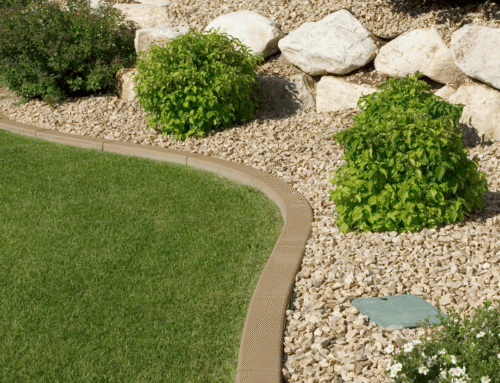
For homeowners who want to remove larger sections of lawn, combining hardscape with xeriscape planting is often the most effective approach. Xeriscape beds use native and drought-tolerant plants, decorative rock, and efficient drip irrigation to create beautiful, water-wise landscaping that complements hardscape features.
A typical conversion might pair a new patio with surrounding xeriscape beds filled with native grasses, perennials, and shrubs. The patio uses no water. The xeriscape beds use a fraction of what the original lawn required. Together, they can reduce outdoor water use dramatically while creating a more visually interesting and lower-maintenance landscape than the lawn that came before.
Is Lawn Removal Worth the Investment?
Removing lawn and installing hardscape or xeriscape features is an upfront investment, and homeowners often ask whether the long-term savings justify the cost. The honest answer is that pure water savings alone may take years to offset the installation cost. The stronger case comes from looking at the full picture.
When you remove lawn, you reduce or eliminate:
- Water costs for that area
- Mowing time or lawn service fees
- Fertilizer, aeration, and overseeding expenses
- Lawn replacement costs after drought damage or restrictions
When you add hardscape, you gain:
- Usable outdoor living space that often increases home value
- A low-maintenance area that performs for decades
- Protection against future water restrictions
- A landscape that feels intentional rather than reactive
For most Colorado homeowners, the combined benefits make lawn-to-hardscape conversions one of the smartest long-term landscape investments available.
Plan Your Lawn-to-Hardscape Conversion with Grounded Landscape Designs
At Grounded Landscape Designs, we help homeowners across Northern Colorado plan and install thoughtful conversions that reduce water use, lower maintenance, and add genuine value to the property. From paver patios and flagstone gathering areas to fire pits, outdoor kitchens, and complete xeriscape designs, our team handles every phase of the process with the care your investment deserves.
If you are considering removing part or all of your lawn in Fort Collins, Loveland, Timnath, Windsor, Wellington, or Severance, we would be glad to walk your property and discuss what is possible. Contact Grounded Landscape Designs today to schedule a consultation and start planning a smarter, more water-wise landscape for your home.
Frequently Asked Questions
It depends on how you want to use the space. Hardscapes like paver or flagstone patios work best for entertaining and gathering areas. Xeriscape beds with native plants suit areas meant for visual interest. Some homeowners keep a smaller section of healthy turf for kids or pets and convert the rest. The right mix is unique to each property.
Project timelines vary based on size and complexity. A straightforward patio installation can often be completed in one to two weeks, while larger conversions involving multiple features, custom stonework, or extensive xeriscape planting may take several weeks. A clear timeline is established before installation begins.
Many Front Range water providers offer turf replacement rebates that reimburse homeowners for a portion of the cost of removing lawn and installing water-wise alternatives. Programs vary by city and utility, so it is worth checking with your local water provider before starting a project.