Installing a landscape in Northern Colorado is not the same as installing one anywhere else. Our climate is demanding, our soils are unpredictable, and our weather can swing forty degrees in a single afternoon. A landscape that looks beautiful on installation day means very little if it cannot survive its first winter, its first dry summer, or its first round of freeze-thaw cycles.
Proper landscape installation is the difference between a yard that thrives for decades and one that needs major repairs within a few years. It is a process built on careful planning, technical knowledge, and an understanding of how Colorado’s environment behaves throughout the seasons.
Here is what goes into doing it right.
Understanding the Site Before Anything Is Installed
Every successful landscape installation begins with a thorough understanding of the property. Before a single shovel goes into the ground, the site must be evaluated for the conditions that will ultimately determine how the landscape performs.
This includes reviewing soil composition, grading and drainage patterns, sun and shade exposure, wind patterns common along the Front Range, and any existing irrigation, lawn, or hardscape features. In Northern Colorado, soils can vary significantly from one neighborhood to the next, ranging from heavy clay to sandy loam to compacted fill in newer subdivisions. Each soil type behaves differently, and the installation approach must be adjusted accordingly.
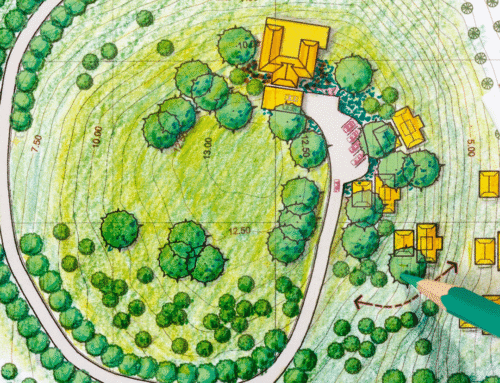
This evaluation also informs the broader landscape design. Knowing where sun falls in the afternoon, where snow tends to drift, and where water collects after a storm helps determine where to place a tree, where sod will thrive, and where hardscapes will perform best. Skipping this evaluation is one of the most common reasons landscaping fails prematurely. Drainage issues, settling, and plant decline often trace back to site conditions that were never properly addressed during installation.
Soil Preparation and Grading
Once the site has been evaluated, the next step is preparing the ground itself. This is one of the most overlooked phases of installation, but it is also one of the most important.
Quality soil preparation may include amending native soils with compost to improve structure and drainage, addressing compaction issues, and ensuring proper grading away from the home and any structures. In Colorado, where clay soils can swell when wet and shrink when dry, getting this stage right helps prevent long-term problems with both garden plantings and hardscape features.
Grading also plays a critical role in protecting your home. Improper grading can direct water toward foundations, patios, or low spots in the lawn, leading to costly damage over time. A professional installation accounts for water movement during heavy rains and spring snowmelt before any final surfaces go in.
Building Hardscapes on a Solid Foundation
Patios, walkways, retaining walls, and other hardscapes are significant investments, and they only perform as well as the base beneath them. In Colorado’s freeze-thaw climate, the foundation is everything.
Proper hardscape installation typically involves excavating to the appropriate depth, installing a well-compacted gravel base, and using materials rated to withstand temperature extremes. For paver and flagstone patios, this means a base that allows water to drain while remaining stable enough to prevent shifting. For retaining walls, it means engineered systems with adequate drainage behind the wall to prevent hydrostatic pressure from causing failure.
Cutting corners at this stage almost always results in problems within a few seasons. Heaving, cracking, and shifting are signs of installation that did not account for how Colorado’s climate moves the ground beneath the surface.
Installing Irrigation That Matches the Landscape
Water management is essential in Colorado’s semi-arid climate, and irrigation is one of the most important systems in any landscape. A proper installation does not simply place sprinkler heads around the yard. It designs a system that delivers the right amount of water to the right plants at the right time.
This often includes drip irrigation for trees, shrubs, and perennial garden beds, efficient rotor or spray heads for sod and lawn areas, smart controllers that adjust based on weather conditions, and properly zoned systems that group plants with similar water needs. In a region where watering restrictions are common and water costs continue to rise, irrigation efficiency is no longer optional. It is a fundamental part of a sustainable landscape and an essential consideration during landscape maintenance planning.
Thoughtful Planting for Long-Term Success
Plant selection and installation deserve the same care as hardscapes and irrigation. The best landscape designs use plants that are well-suited to Northern Colorado’s climate, including native species, drought-tolerant perennials, and trees that can handle our temperature swings and high-altitude sun exposure.
Proper installation involves planting each tree and shrub at the correct depth, providing adequate spacing for mature growth, amending planting holes when needed, and applying appropriate mulch to conserve moisture and protect roots. Trees and shrubs especially benefit from careful installation, as mistakes at this stage can affect their health for years.
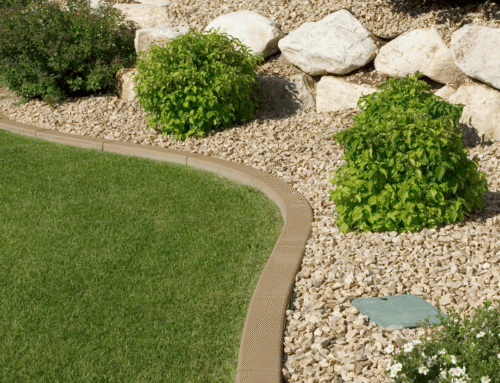
Three to four inches of quality mulch around plantings helps moderate soil temperature, reduce evaporation, and suppress weeds. Mulch also gives garden beds a finished, intentional appearance that elevates the entire landscape. In xeriscape areas, decorative rock and gravel can serve a similar purpose with even less long-term maintenance, while sod establishes a healthy lawn surface in areas designated for active use.
Landscape Lighting and Final Details
The finishing touches of a landscape installation matter more than they might seem. Clean edging between garden beds and turf, properly installed landscape lighting, and well-finished transitions between materials all contribute to a yard that looks intentional and holds up over time.
Landscape lighting deserves particular attention during installation. Pathway lights, uplighting on mature trees, and accent lighting around hardscapes extend the usability of outdoor spaces well into the evening. Wiring should be installed at the appropriate depth, fixtures should be rated for Colorado’s weather conditions, and the overall lighting design should complement the architecture of the home and the rhythm of the landscape itself.
A professional installation also considers what happens after the crew leaves. Establishing irrigation schedules, providing care instructions for new plantings, and ensuring the homeowner understands seasonal landscape maintenance needs are all part of a complete process. The goal is not just a finished project but a landscape that continues to perform for years.
Why Professional Installation Matters in Colorado
Northern Colorado’s climate does not forgive shortcuts. Freeze-thaw cycles will find every weakness in poorly installed hardscapes. Drought conditions will expose every plant that was not suited to the site. Heavy snow loads, intense UV exposure, and rapid temperature changes all test the quality of the work beneath the surface.
Professional landscaping brings together site evaluation, technical expertise, quality materials, and an understanding of how Colorado’s environment behaves throughout the year. It is the difference between a landscape that needs constant repair and one that becomes a lasting part of your property.
Start Your Landscape Project with the Right Foundation
At Grounded Landscape Designs, we approach every installation with the same philosophy that guides our landscape design work: thoughtful planning, careful execution, and solutions tailored to Northern Colorado properties. From soil preparation and irrigation to hardscapes, lighting, sod, mulch, and final plantings, our team handles every phase of installation with the attention to detail your investment deserves.
If you are planning a landscaping project in Fort Collins, Loveland, Timnath, Windsor, Wellington, or Severance, we would be glad to help you build something that lasts.
Contact Grounded Landscape Designs today to begin planning your installation with a team that understands Colorado’s climate and what it takes to do the job right.