For decades, the answer to “what should I put in my yard?” was simple. You laid sod, set up a sprinkler system, and called it done. That formula made sense in a different era. It makes less sense now. Water is more expensive, restrictions are tightening across the Front Range, and many Colorado homeowners are looking at their lawns and asking whether all that water, time, and money is still worth it.
At the same time, outdoor living has changed. Patios are no longer just a slab of concrete near the back door. They have become the centerpiece of how families use their yards, host friends, and extend their living space outside. So the real question for many Northern Colorado homeowners is not just about water. It is about value, lifestyle, and what your yard actually does for you.
Here is an honest comparison to help you think through the decision.
The Case for Keeping a Lawn
Lawns are not obsolete. They still serve a purpose for the right homeowner. Kids and pets need a soft, durable surface to run on. Some properties have HOA requirements that mandate a certain percentage of turf. Some homeowners simply love the look and feel of green grass and consider it worth the cost.
A well-maintained lawn can provide:
- A safe, cushioned surface for children and pets
- Cooler ground temperatures during summer
- A traditional aesthetic that matches certain home styles
- Functional space for outdoor games and activities
For these homeowners, the answer is not to eliminate the lawn but to keep it appropriately sized and properly maintained. The problem is not lawns themselves. The problem is oversized lawns in areas that rarely get used.
The Case for a Patio
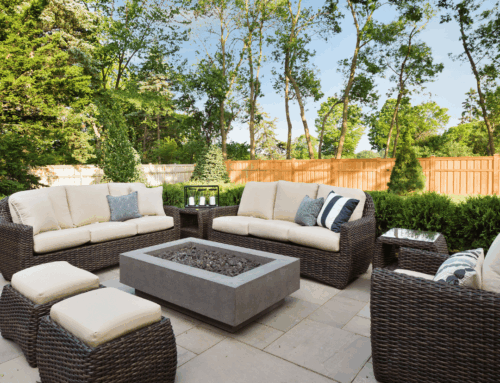
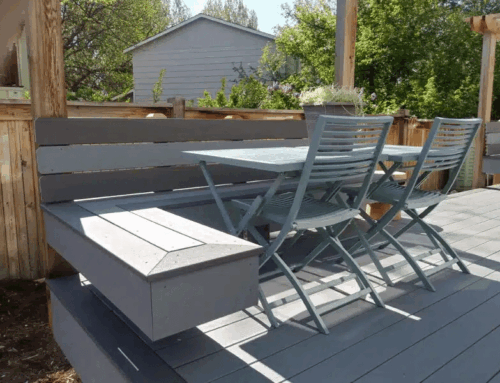
A patio answers a different set of needs. Instead of providing open green space, it creates a defined area for living, gathering, dining, and relaxing outside. For Northern Colorado homeowners who entertain, spend time outdoors, or want to reduce their long-term maintenance load, a patio often delivers more usable value per square foot than a lawn ever could.
The advantages of a quality patio include:
- Zero water use once installed
- No mowing, fertilizing, aerating, or overseeding
- A surface that holds up for decades when installed properly
- Increased property value and curb appeal
- Year-round usability, including during watering restrictions and drought
- A foundation for fire pits, outdoor kitchens, pergolas, and dining areas
In Colorado’s climate, where summers are dry and winters are harsh, a properly built patio simply outperforms a lawn in terms of cost-to-value over time.
Side-by-Side: Lawn vs. Patio
To make the comparison more concrete, here is how the two options stack up on the factors most homeowners care about.
Water Use
Traditional Lawn: 18 to 25 gallons per square foot per year
Patio: Zero
Ongoing Maintenance
Traditional Lawn: Mowing, watering, fertilizing, aeration, and repair
Patio: Occasional cleaning and joint refreshing
Lifespan
Traditional Lawn: Requires regular renewal
Patio: 25 plus years when properly installed
Property Value Impact
Traditional Lawn: Neutral to positive when well maintained
Patio: Generally adds value
Usability During Watering Restrictions
Traditional Lawn: Declines quickly without water
Patio: Unaffected
Upfront Cost
Traditional Lawn: Lower per square foot
Patio: Higher per square foot
Long-Term Cost
Traditional Lawn: Compounds through water, labor, and replacement
Patio: One-time investment
The upfront cost of a patio is higher, but that gap narrows when you factor in years of water bills, lawn care expenses, and the cost of replacing turf that does not survive a hot, dry summer.
How to Decide What Is Right for Your Yard
The right answer depends on how you actually use your outdoor space. A few honest questions can help clarify the decision.
How often do you use your lawn? If your kids are grown, your pets are gone, or you find yourself looking out at grass you never set foot on, that lawn is costing you money for no return.
How often do you spend time outside? If you grill, entertain, read on the deck, or wish you could host outside more often, a patio creates the space to make that happen.
What does your water bill look like in July and August? Peak summer water use is where the cost of a thirsty lawn shows up most clearly. If your bill spikes dramatically during those months, lawn reduction can deliver real savings.
What is your maintenance tolerance? Lawns require ongoing attention. Patios do not. If your weekends feel consumed by yard work, hardscape can give that time back.
What is your long-term plan for the property? A patio is a long-term investment. If you plan to stay in the home for years, the value compounds.
The Hybrid Approach Most Homeowners Land On
For the majority of Northern Colorado homeowners we work with at Grounded Landscape Designs, the answer is not strictly lawn or strictly patio. It is a thoughtful combination of both. A smaller, intentional area of healthy turf for kids, pets, or aesthetic appeal, paired with a generously sized patio for living and entertaining, often delivers the best of both worlds.
This approach reduces water use significantly, lowers maintenance, creates real outdoor living space, and still preserves the green areas that matter most to your family. It also aligns with where Northern Colorado is heading. Cities are increasingly favoring landscapes that balance function, beauty, and responsible water use.
A typical hybrid conversion might include a paver or flagstone patio for dining and gathering, a fire pit area with seating, surrounding xeriscape beds with native plants and mulch, and a reduced section of healthy lawn where it actually gets used. The result is a yard that looks intentional, performs through Colorado’s climate, and supports the way modern families actually live.
Plan the Right Mix for Your Property with Grounded Landscape Designs
Choosing between lawn and patio is not always an either-or decision, and the right balance looks different on every property. At Grounded Landscape Designs, we help Northern Colorado homeowners think through the trade-offs and design landscapes that fit how they actually live. From custom paver and flagstone patios to fire pits, outdoor kitchens, pergolas, and complete xeriscape installations, our team handles every phase of the process with the care your investment deserves.
If you are weighing your options in Fort Collins, Loveland, Timnath, Windsor, Wellington, or Severance, we would be glad to walk your property and help you plan a yard that makes sense for your home, your lifestyle, and Colorado’s climate. Contact Grounded Landscape Designs today to schedule a consultation.