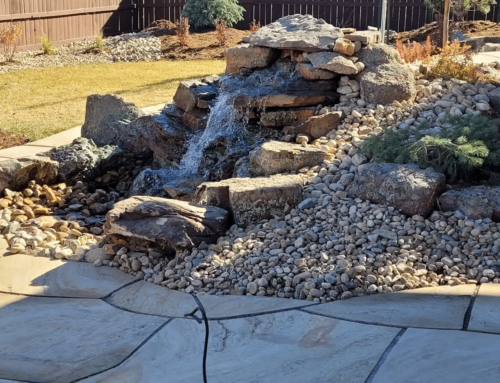
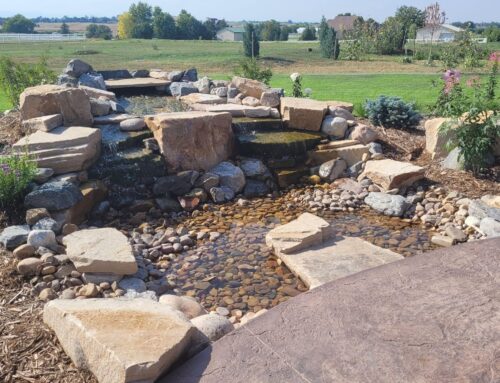
Water features add movement, sound, and visual interest to a landscape, transforming a backyard, courtyard, or garden into a peaceful oasis. Whether it’s a garden fountain, pond fountain, water garden, or decorative bird bath, these elements elevate outdoor aesthetics and create a natural gathering place for wildlife and birds.
However, Colorado’s winter climate introduces real risks. Without proper winterization, even the most beautiful outdoor water features can suffer lasting damage. At Grounded Landscaping, we design and install water features built for durability, but understanding seasonal risks is essential for protecting your investment.
Why Winterizing Water Features Matters in Colorado
Colorado winters bring extended freezes, rapid temperature swings, snow, and ice. When water freezes, it expands—placing pressure on stone, concrete, plumbing, and electrical components. This expansion is especially dangerous in fountains, streams, garden ponds, and decorative features like patio fountains or wall fountains.
Skipping winterization doesn’t just affect appearance—it can compromise structure, functionality, and long-term reliability.
The Most Common Risks of Not Winterizing
Cracked Materials and Structural Damage
Standing water left in a fountain, pond, or water feature basin can freeze solid. Materials like slate, basalt, ceramic, concrete, glass, or copper may crack or shift under ice pressure. Decorative elements such as a statue, sculpture, or custom shape integrated into the feature can also be damaged beyond repair.
Pump, Plumbing, and Electricity Issues
Many water features rely on hidden plumbing and electricity to circulate water. When water freezes inside pipes or pump housings, internal cracking can occur. This applies to traditional systems as well as solar water features, solar fountains, and solar powered water features, which still contain water that must be properly drained.
Overflow, Ice Dams, and Soil Saturation
In features like a stream, rain curtain, or pond fountain with lights, partial freezing can block flow paths. Water may overflow, drain basins, or saturate surrounding yard areas, leading to erosion near a retaining wall, patio edge, or garden bed.
Damage to Fish and Wildlife Habitats
For koi ponds or fish habitats, complete freezing limits oxygen exchange and traps harmful gases. This threatens aquatic life and disrupts the balance of a carefully designed water garden or garden pond.
Hidden Damage That Appears Later
One of the biggest dangers is delayed discovery. Cracks, failed pumps, or compromised seals often don’t show until spring, when the water feature is restarted and leaks appear.
Different Water Features, Different Winter Risks
Ponds and Pond Fountains
A pond fountain, solar pond fountain, or pond fountain with lights adds beauty and movement but requires seasonal shutdown or protection. Ice pressure along pond edges and plumbing can damage liners and fittings.
Fountains and Bird Baths
Decorative outdoor fountains, garden fountains for sale, and solar bird bath fountains are especially vulnerable. Water trapped in bowls or risers can crack materials like resin, ceramic, or stone. Even a simple solar bird bath should be fully drained before freezing temperatures arrive.
Pondless and Patio Features
Pondless waterfalls, patio fountains, or modern outdoor water features integrated into a patio or seating space may look low-maintenance, but underground reservoirs and pumps still require winter preparation.
Why Proper Landscape Design and Installation Matter
No winter preparation can eliminate freeze-thaw cycles entirely, but thoughtful landscape design reduces risk. Proper grading, accessible pump placement, quality materials, and well-planned plumbing allow homeowners or maintenance providers to safely shut systems down before winter.
At Grounded Landscaping, we focus on building water features that complement the surrounding garden design, trees, plants, and hardscape while accounting for Colorado’s climate from the start.
Planning Ahead Protects Your Outdoor Investment
A well-designed outdoor water feature should enhance your property for years—not become a recurring repair expense. Understanding winter risks helps homeowners plan seasonal shutdowns and avoid unnecessary damage to their outdoor oasis, whether it includes a pond, fountain, bird bath, or custom feature near a swimming pool or seating area with furniture.
Protect Your Landscape with Smart Planning
Water features are focal points in a landscape, adding sound, movement, and natural beauty. Taking winter seriously ensures those features remain assets, not liabilities.
If you’re planning a new garden water feature, outdoor fountain, or custom installation designed for Colorado conditions, Grounded Landscaping can help you plan it right from the beginning.
Contact Grounded Landscaping today to schedule a consultation and start designing outdoor features that balance beauty, durability, and long-term performance.
FAQs About Winterizing Water Features
Water left inside a fountain, pond, or plumbing can freeze and expand, leading to cracks, leaks, or pump failure.
No. Even solar powered fountains and solar water features must be drained to prevent freeze damage.
Yes. Fully frozen ponds restrict oxygen exchange and can endanger koi or other fish.
Covers help protect against debris, but they do not prevent freezing unless all water is removed.
No. Grounded Landscaping specializes in design and installation of water features, not seasonal maintenance or repairs. Our focus is building systems that allow for proper winter care and long-term durability.