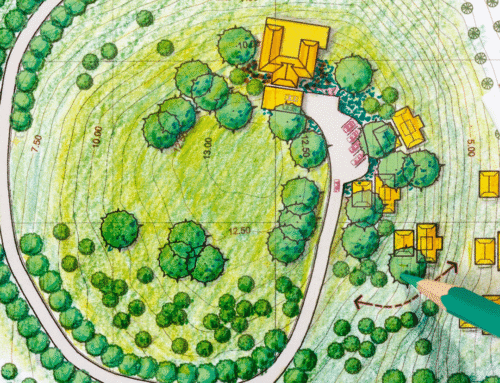
When homeowners think about landscape design, they often focus on how their yard will look with plants, patios, and overall layout. But one of the most important aspects of landscape design isn’t just visual, it’s how the space performs over time.
In Northern Colorado, where water availability, climate conditions, and seasonal changes all play a role, thoughtful landscape design has a direct impact on long-term maintenance and water use. The decisions made during the design phase can either simplify your outdoor upkeep for years to come, or create ongoing challenges that require more time, water, and expense.
Why Landscape Design Matters Beyond Appearance
A well-designed landscape is more than a collection of plants and features. It’s a system where soil, irrigation, plant selection, and layout all work together.
Without proper planning, homeowners often encounter issues such as:
- Overwatering or inefficient irrigation
- High-maintenance plantings that struggle to survive
- Poor drainage leading to erosion or plant damage
- Constant upkeep to correct design oversights
Landscape design helps prevent these problems by addressing them before installation begins.
How Design Influences Water Use
1. Plant Selection Drives Water Demand
One of the biggest factors in water use is the type of plants selected. In Northern Colorado, choosing plants that are not suited to the local climate often leads to excessive watering and ongoing maintenance.
Professional landscape design prioritizes:
- Drought-tolerant plants
- Native or regionally adapted species
- Grouping plants with similar water needs
This approach ensures plants can thrive with minimal irrigation once established.
2. Xeriscaping Reduces Water Dependency
Xeriscaping is a design strategy focused on reducing water use without sacrificing aesthetics. It incorporates drought-resistant plants, efficient layouts, and materials that retain moisture.
When integrated into landscape design, xeriscaping can:
- Significantly reduce water consumption
- Lower long-term utility costs
- Minimize maintenance requirements
In a region like the Front Range, where water conservation is increasingly important, this approach offers both environmental and practical benefits.
3. Efficient Irrigation Planning
Irrigation systems are often one of the largest contributors to water waste when not properly designed. Landscape design ensures irrigation is tailored to the specific needs of each area of your yard.
This may include:
- Drip irrigation for targeted watering
- Zoned systems that separate lawn and plant beds
- Strategic placement of sprinklers to avoid runoff
A properly designed irrigation system delivers water where it’s needed—reducing waste and improving plant health.
How Design Impacts Long-Term Maintenance
1. Layout and Space Planning
The way your landscape is laid out affects how easy it is to maintain. Narrow planting areas, overcrowded gardens, or poorly placed features can create unnecessary work over time.
A thoughtful design:
- Allows room for plant growth
- Reduces overcrowding
- Creates accessible areas for maintenance
This makes routine upkeep more manageable and efficient.
2. Soil Preparation and Drainage
Soil conditions and drainage play a critical role in plant health and maintenance needs. Poor drainage can lead to root issues, while improper soil preparation can cause plants to struggle.
During the design phase, professionals evaluate:
- Soil composition
- Grading and water flow
- Areas prone to pooling or erosion
Addressing these factors early helps avoid long-term problems that require ongoing correction.
3. Reducing Maintenance Through Smart Choices
Not all landscapes require the same level of care. Design decisions directly influence how much time and effort you’ll need to maintain your yard.
A well-designed landscape can:
- Reduce the need for frequent watering
- Limit pruning and trimming requirements
- Minimize weed growth with proper plant spacing and mulch
- Support long-term plant health
The goal is to create a landscape that works with your lifestyle, not one that demands constant attention.
Balancing Sustainability and Functionality
Sustainable landscape design is not just about saving water, it’s about creating a system that functions efficiently over time.
By combining:
- Water-efficient plant selection
- Smart irrigation planning
- Proper layout and spacing
Homeowners can create outdoor spaces that are both environmentally responsible and easy to maintain.
Why Professional Design Makes a Difference
Many long-term landscape issues stem from decisions made during installation without a clear design plan. While it may seem easier to start building right away, skipping the design phase often leads to higher costs and more maintenance later.
Working with a professional ensures:
- A cohesive plan tailored to your property
- Consideration of Northern Colorado’s climate
- Efficient use of water and resources
- Long-term performance and durability
Design is where the foundation of your landscape is established.
Start with a Plan Built for Long-Term Success
At Grounded Landscaping, we focus on designing outdoor spaces that balance beauty, function, and long-term efficiency. Our landscape design services help homeowners in Northern Colorado create environments that reduce water use while simplifying maintenance.
If you’re planning a new landscape or updating your current space, starting with a professional design can help you make informed decisions from the beginning.
Contact Grounded Landscaping today to schedule a consultation and start planning a landscape designed for long-term performance.
FAQs About Landscape Design, Maintenance, and Water Use
1. Can landscape design really reduce water usage?
Yes. Proper plant selection, irrigation planning, and layout can significantly reduce the amount of water your landscape requires.
2. What is xeriscaping and how does it help?
Xeriscaping focuses on drought-tolerant plants and efficient design, reducing water use and long-term maintenance needs.
3. Does a low-maintenance landscape mean fewer plants?
Not necessarily. It means choosing the right plants and placing them strategically to reduce upkeep while maintaining visual appeal.
4. How does irrigation design affect maintenance?
Efficient irrigation systems prevent overwatering, reduce plant stress, and minimize the need for ongoing adjustments or repairs.
5. When should I start thinking about landscape design?
Ideally before installation begins. Early planning helps avoid costly changes and ensures your landscape performs well over time.