Homeowners across Northern Colorado often begin a landscape project with inspiration—new plants, refreshed gardens, a new outdoor living space, or a desire to improve the functionality of the yard. But as ideas grow, so do the questions. How will everything work together? Will it be sustainable long term? And how do you design a space that fits Colorado’s climate?
That’s when many people start asking: When should I hire a landscape designer?
In the Front Range, where weather, soil, and water conservation play a major role, involving a professional early can help protect your investment and improve results.
What Does a Landscape Designer Do?
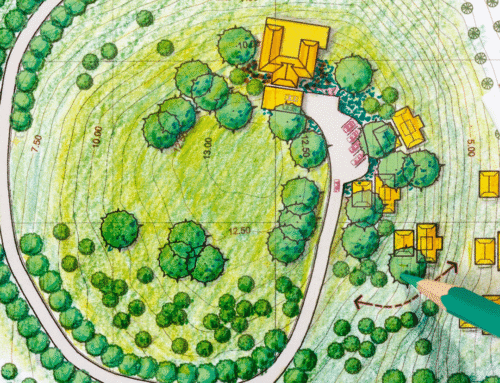
A landscape designer plans outdoor spaces that balance aesthetics, function, and environmental considerations. Unlike simple planting plans, professional landscape designers evaluate the entire property to ensure all elements work together.
In Northern Colorado, this often includes:
- Plant selection suited to local conditions
- Efficient irrigation planning
- Long-term sustainability and maintenance considerations
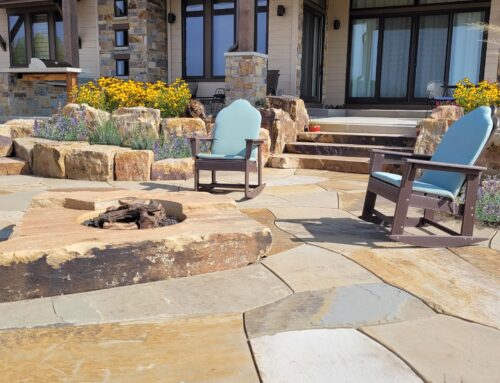
- Integration of lawns, trees, and hardscape
- Designing outdoor spaces that support wildlife and local ecology
- Lawn areas appropriate to how they will be used
- Pathways and circulation
Landscape designers focus on how a space looks, performs, and evolves over time.
When Hiring a Landscape Designer Makes Sense
You’re Planning More Than Just Plants
If your project goes beyond adding a few shrubs or refreshing mulch, it’s a good time to consult a designer. Larger projects often require coordination between layout, irrigation, and plant health. Larger, more complicated projects may even involve sub-contractors.
Design services are especially valuable when a project includes:
- Changes to the lawn or planting zones
- New or adjusted irrigation systems
- Drainage or grading concerns
- Incorporating native species or xeriscaping
- Long-term landscape planning rather than quick fixes
- When work involves other contractors such as electricians and plumbers
You Want a Clear Plan Before Installation
One of the biggest mistakes homeowners make is starting construction without a defined plan. A landscape designer creates clarity before installation begins, helping avoid mismatched elements and unnecessary rework.
A professional design process helps establish:
- Functional layouts
- Realistic budgets and potential phasing ideas
- Plant and material compatibility
- Efficient sequencing of work
Timing Your Landscape Design in Northern Colorado
Before the Busy Season
Late winter and early spring are ideal times to hire a landscape designer. This allows enough time to finalize designs before installation schedules fill up in the spring. Going through the design process and quoting can take up to 2 months depending on the complexity of the project. Sometimes design work can go through several iterations before settling on the final layout.
Early planning also helps landscaping companies align materials, crews, and timelines more efficiently.
Before Renovations or New Construction
Landscape design should happen before major exterior or interior renovations. Outdoor spaces connect closely with a home’s layout, drainage, and access points. Designing early ensures your landscapes complement the home rather than working around it later. When it comes to landscape installation it is the opposite. All exterior projects such as painting, window replacements, window well replacement, or siding work should happen before landscape installation work. That way, the new landscape doesn’t get damaged as the other contractors perform the exterior work.
Climate, Ecology, and Sustainability Matter
Northern Colorado’s climate makes professional planning especially important. Freeze-thaw cycles, dry summers, and wind exposure all influence how outdoor spaces perform.
A designer considers:
- Water conservation through efficient irrigation
- Drip irrigation for targeted plant watering
- Planting designs that support biodiversity
- Reducing long-term landscape maintenance
- Creating outdoor habitat for beneficial wildlife with pollinator plants
- Thoughtful design supports both your property and the surrounding nature.
Why Hiring Grounded Landscaping Adds Value
Professional design isn’t just about appearance—it’s about performance. Well-designed and well constructed landscapes add value to your property. At Grounded Landscaping, we have an install manager that guides all levels of construction. If utilities are needed for different elements within the landscape, we can schedule and guide our trusted sub-contractors through the whole process. Our contractors pull all of the necessary permits to make sure the work is done to meet code. We can run the entire process so that the homeowner doesn’t have to worry about all of the details coming together appropriately.
Examples include:
- Running power from the house out into the landscape for a water feature
- Working with a plumber to install gas piping to grills and/or gas fire pits
- Working with a plumber to install water lines to sinks in outdoor kitchens
- Coordinating with an electrician to provide dedicated circuits for landscape lighting
- Coordinating with a general contractor for pergolas and structures that may need permitting and engineering
Plan with Confidence in Northern Colorado
At Grounded Landscape Designs, our landscape design services focus on creating outdoor spaces that work with Northern Colorado’s environment—not against it. We help homeowners plan landscapes that balance beauty, function, and sustainability.
If you’re considering a landscape update and want a clear, thoughtful plan from the start, professional design guidance can make all the difference.
Contact Grounded Landscape Designs today to schedule a landscape design consultation and begin planning your outdoor space with confidence.
FAQs About Hiring a Landscape Designer
Ideally before installation begins, especially if your project includes irrigation, plant planning, or layout changes.
Yes. Designers often incorporate xeriscaping, native species, and water-efficient systems to support sustainability.